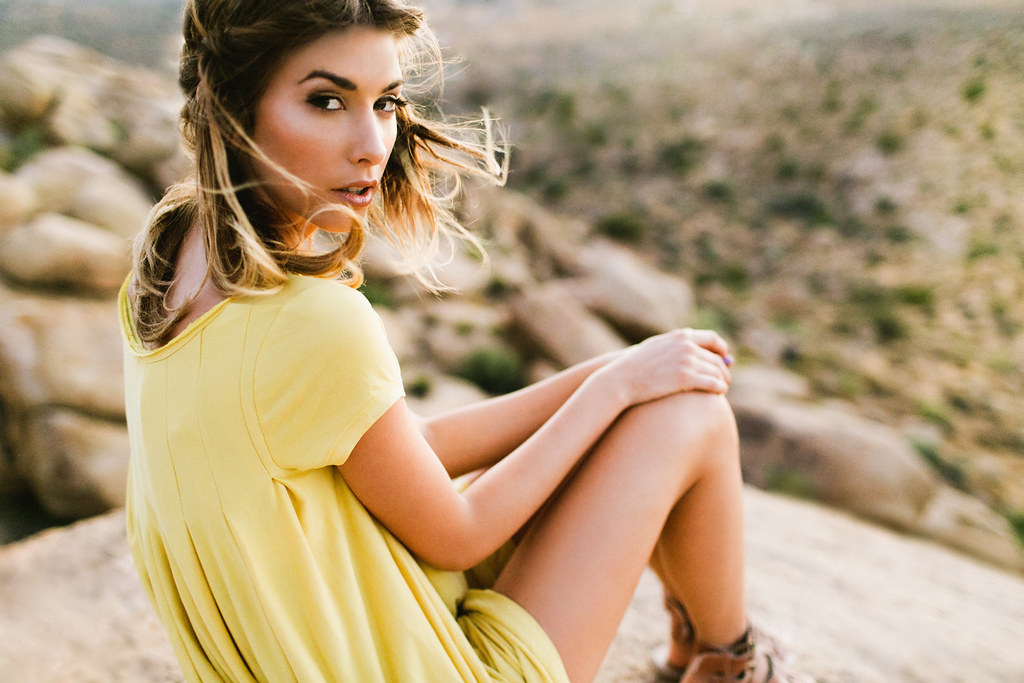
Mastering the Art of Dynamic Posing: Tips and Techniques
Mastering the art of dynamic posing is essential for capturing the energy and emotion in photography. Whether you're shooting portraits, action shots, or group photos, effective posing can transform a mundane image into a compelling visual story. Here are some tips to help you enhance your posing skills:
- Understand Your Subject: Take time to get to know your subjects' personalities and comfort levels. This understanding will guide you in directing poses that feel natural and authentic.
- Use Movement: Encourage your subjects to move slightly during the shoot. This creates a sense of dynamism and can lead to more engaging and candid expressions.
- Experiment with Angles: Don’t hesitate to change your vantage points. Shooting from different angles can drastically alter how poses look and feel, contributing to the overall mood of the photograph.
Another technique to master dynamic posing is to incorporate props or the environment creatively. Props can add context and interest to a photo, while the surroundings can provide unique framing and lighting opportunities. Consider these strategies:
- Integrate Props: Using items like hats, umbrellas, or musical instruments can not only make poses more interesting but also give subjects something to interact with, resulting in more natural expressions.
- Engage with the Environment: Encourage your subjects to interact with their surroundings, whether it's leaning against a tree or standing on a staircase. These interactions can lead to spontaneous moments that convey genuine emotion.
Behind the Scenes: How to Capture Action and Emotion in Photography
Behind the Scenes: Capturing action and emotion in photography requires not just technical skill but also an intuitive understanding of your subject. To effectively freeze a moment in time, it’s crucial to anticipate the peak of the action. This can involve tracking the movements of your subjects or familiarizing yourself with their routines. Consider using a fast shutter speed to capture crisp images, and experiment with different angles and compositions to create a sense of dynamism. Remember, the goal is to convey the energy of the moment, so don’t hesitate to shoot in burst mode to ensure you catch the perfect shot.
Emotion is just as vital in photography as action. To evoke feelings in your images, pay attention to lighting, expressions, and the surrounding environment. Soft, natural light can enhance a subject’s emotional state, while dramatic shadows can add depth and intensity. In portrait photography, focus on capturing genuine expressions—this often comes from engaging with your subject and making them feel comfortable. Furthermore, consider incorporating elements of storytelling. Each photograph should tell a story, allowing viewers to connect with the scene on a deeper level, making them feel what the subject feels.
What Are the Best Camera Settings for Shooting in Chaotic Environments?
When shooting in chaotic environments, it’s essential to have the right camera settings to capture the best moments. Start by setting your camera to shutter priority mode (usually denoted as Tv or S on your camera), which allows you to control the shutter speed while the camera automatically adjusts the aperture. This setting is crucial as it helps freeze motion in fast-paced situations. A shutter speed of at least 1/500th of a second is often recommended to avoid motion blur, especially if you’re photographing moving subjects. Don’t forget to adjust your ISO accordingly—if the environment is poorly lit, increasing the ISO will help maintain a faster shutter speed.
In addition to shutter speed, focus settings are critical in messy environments. Use continuous autofocus (AF-C or AI-Servo) to track moving subjects, ensuring they remain sharp in your images. Moreover, consider using a larger aperture (lower f-number) to create a shallow depth of field, which can help isolate your subject from the chaotic background. Finally, keep an eye on your composition—use framing techniques, such as the rule of thirds, to draw attention to your subject amidst the chaos. By mastering these settings, you'll enhance your ability to capture compelling images even in the most unpredictable settings.